 Why Is My Computer Booting So Slowly?
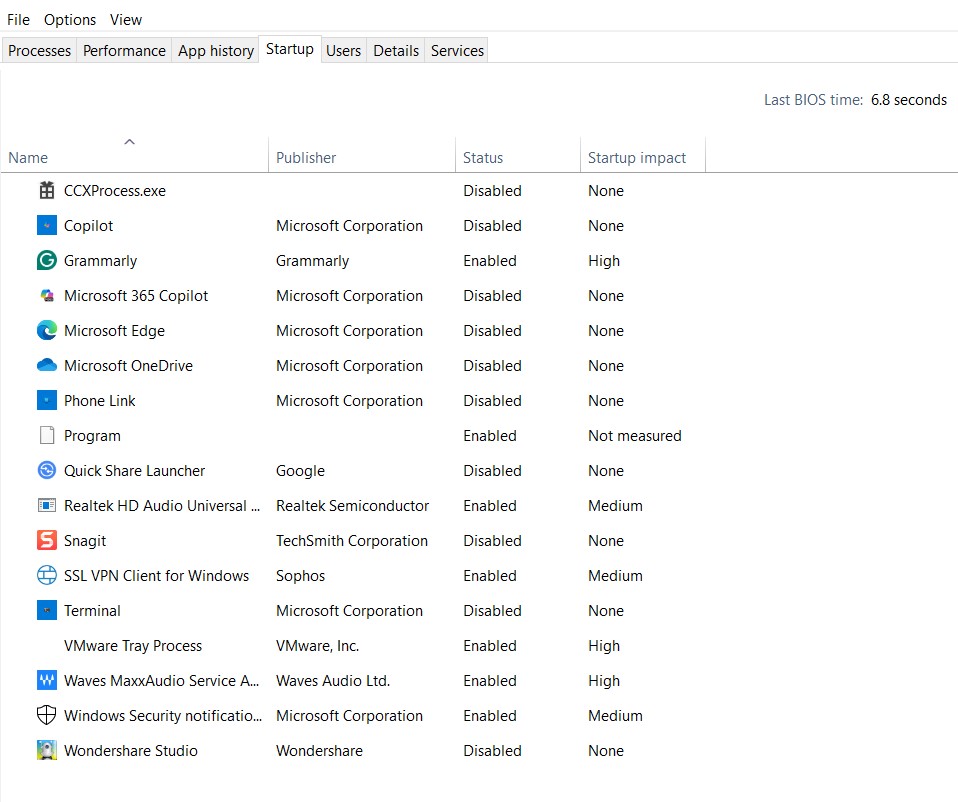
Several factors can slow down startup times. Here are the most common culprits:
1. Too Many Startup Programs
-
Apps like Spotify, Steam, and cloud services auto-launch at startup, delaying your login.
2. Outdated or Fragmented Hard Drive (HDD)
-
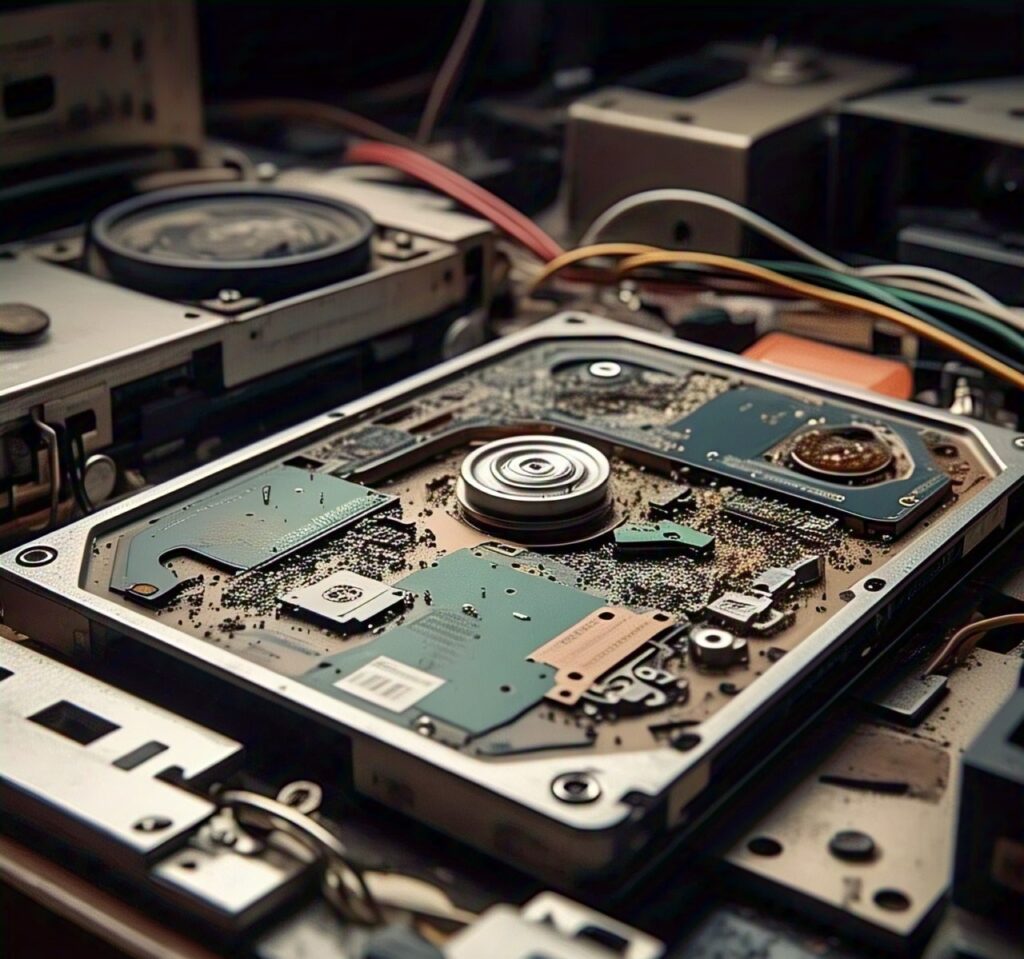
If you’re still using an old HDD (not an SSD), boot times will be much slower.
-
Fragmented files also slow down data access.
3. Too Many Background Processes
-
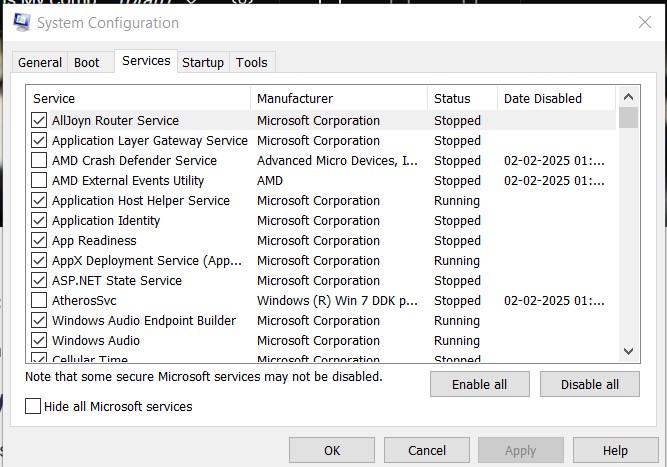
Windows runs hidden services that eat up RAM and CPU during startup.
4. Outdated Drivers or BIOS
-
Old firmware and drivers can cause delays in hardware initialization.
Open CMD and enter the command ( systeminfo )
Alternatively

5. Malware or Viruses
-
Some viruses run silently in the background, slowing everything down.
Here’s how to use Windows Defender:
- Open Windows Security: You can find it by searching for “Windows Security” in the Start menu.
- Access Virus & threat protection: Click on the “Virus & threat protection” option.
- Run a scan: You can choose from Quick scan, Scan options (including Full scan), or Microsoft Defender Offline for a complete scan.
- Scan specific files/folders: Right-click on a file or folder in File Explorer and select “Scan with Microsoft Defender”.
Using third-party software:
- Install and update: Download and install the software (e.g., Malwarebytes, McAfee) and ensure it’s up-to-date.
- Run a scan: Most third-party software allows you to run quick, full, or custom scans.
- Open Windows Security: You can find it by searching for “Windows Security” in the Start menu.
6. Windows Fast Startup (Sometimes Backfires!)
-
While designed to speed up boot, Fast Startup can cause issues on some PCs.
7. Too Many Browser Extensions & Apps
-
Even if they don’t launch at startup, some apps pre-load data, slowing boot time.
 10 Fixes to Speed Up Boot Time
 1. Disable Unnecessary Startup Programs
-
Windows 10/11: Press Ctrl + Shift + Esc > Startup tab > Disable heavy apps.
-
Mac: Go to System Settings > Users & Groups > Login Items and remove unwanted apps.
2. Upgrade to an SSD (If You Still Use HDD)
-
SSDs boot 3-5x faster than HDDs. Even a cheap 256GB SSD will make a huge difference!
https://www.youtube.com/watch?v=WIvlwhD7GD4
3. Run a Disk Cleanup
-
Type Disk Cleanup in Windows search > Delete temporary files, old updates, and junk.
4. Defragment Your Hard Drive (HDD Only!)
-
Don’t defrag SSDs! (It shortens their lifespan.)
-
For HDDs: Search for “Defragment and Optimize Drives” > Optimize.
5. Check for Malware
-
Run a full scan with Windows Defender or Malwarebytes.
6. Update Windows & Drivers
-
Go to Settings > Windows Update > Install all pending updates.
-
Update GPU, chipset, and BIOS from manufacturer websites.
7. Adjust Fast Startup Settings
-
Windows 10/11:
-
Press Win + R, type
powercfg.cpl> Choose what the power buttons do > Change unavailable settings > Uncheck Fast Startup.
-
8. Reduce Boot Delay Time (For Multi-OS Users)
-
If you dual-boot (Windows + Linux), the boot menu delay can be shortened:
-
Open Command Prompt (Admin) > Type:
-
(Changes boot menu wait time to 3 seconds instead of 30.)
-
9. Clean Up Your Web Browser
-
Too many extensions (like ad-blockers, VPNs) can pre-load data at startup.
-
Disable or remove unused extensions.
10. Reset or Reinstall Windows (Last Resort)
-
If nothing works, a clean Windows install removes all bloatware and resets settings.
 Bonus: How to Check Exactly What’s Slowing Down Boot
Windows has a built-in tool to analyze startup:
-
Press Ctrl + Shift + Esc > Startup tab.
-
Check “Last BIOS time” (in Task Manager > Startup).
-
Good: Under 10 seconds (SSD) or 20 seconds (HDD).
-
Bad: Over 30 seconds means something’s wrong.
-
 Final Thoughts
Slow boot times don’t have to be normal—most fixes take under 5 minutes! Start with disabling startup apps, then check for SSD upgrades if you’re still on an HDD.