🔋 Battery Swapping: How It Works & Who’s Betting on It
The Tech:
Drive into a swap station (like a car wash).
A robot removes your depleted battery.
Slides in a fully charged one (faster than filling gas).
Advantages:
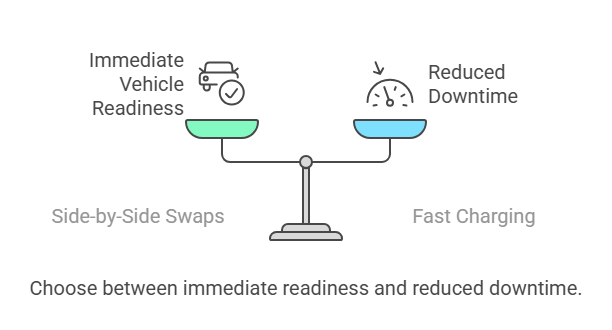
✅ 3-minute swaps (vs. 15-30 mins for fast charging).
✅ No battery degradation (you don’t own the battery).
✅ Cheaper upfront cost (battery-as-a-service subscriptions).
Big Players:
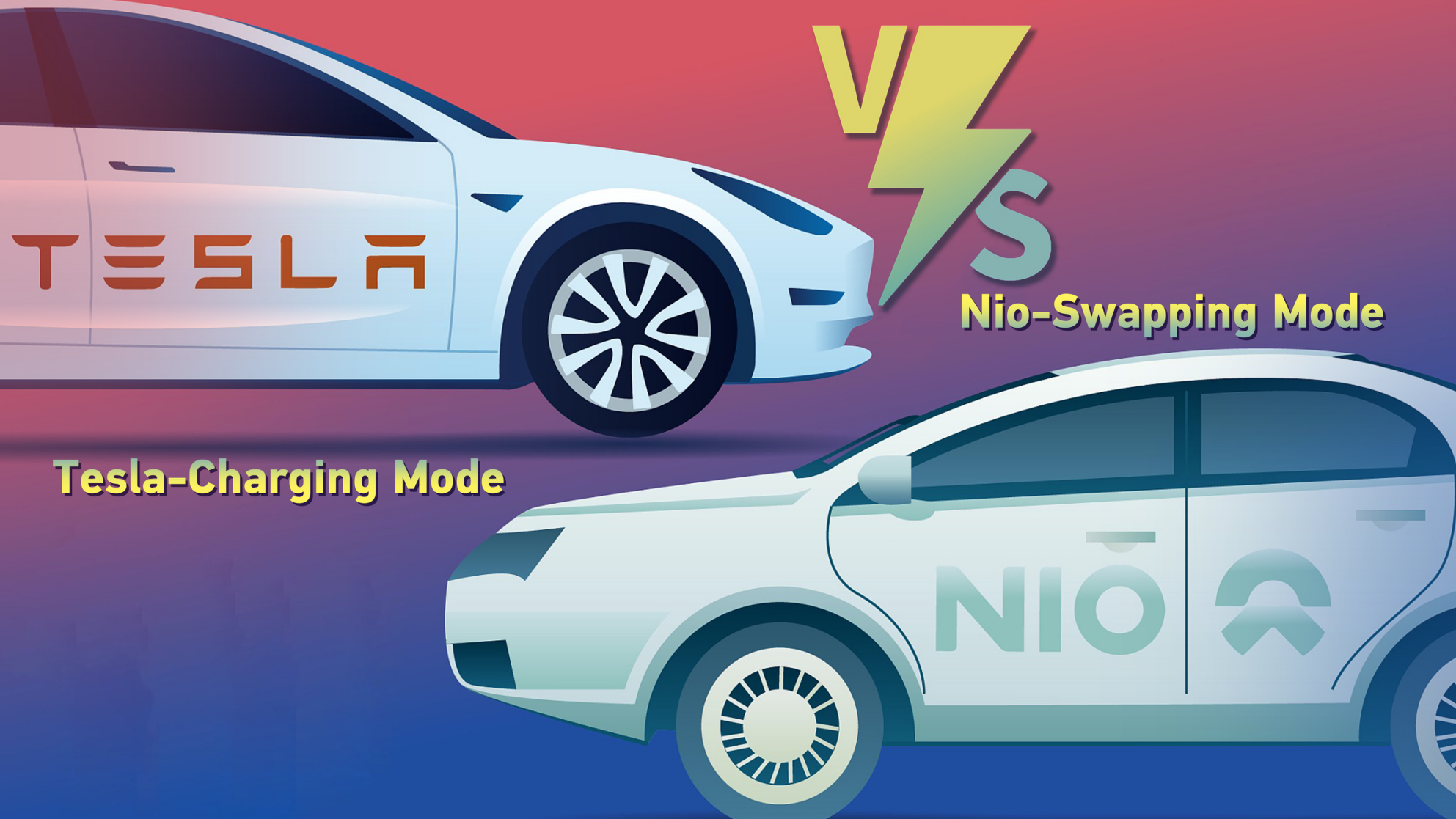
NIO – 2,300+ swap stations (mostly China).
Geely – Partnering with Shell for global expansion.
Chinese govt. – Subsidizing stations along highways.
Real-World Example:
A NIO driver in Shanghai swaps batteries twice a week, paying ¥980/month ($135) for unlimited swaps.

Image source : Beckhoff
⚡ Ultra-Fast Charging: The Competing Vision
The Tech:
800V+ architectures (BYD, Xpeng, Tesla V4 Superchargers).
5C+ charging rates (20-80% in 10-12 minutes).
Advantages:
✅ No infrastructure overhauls (works with existing parking spaces).
✅ Battery ownership (no monthly fees).
✅ Global compatibility (no swap station needed).
Big Players:
BYD – Blade Battery tech (charges to 80% in 10 mins).
Tesla China – V4 Superchargers (615 kW peak).
CATL – Shenxing Battery (4C charging for mass-market EVs).
Real-World Example:
A BYD Seal charges 200+ miles in 11 minutes at a highway rest stop.
🛠️ Key Challenges
| Battery Swapping | Ultra-Fast Charging |
|---|---|
| ❌ Needs standardized batteries (hard for multi-brand adoption) | ❌ Battery wear from repeated fast charging |
| ❌ High infrastructure costs ($500K+ per station) | ❌ Grid strain (needs mega-power upgrades) |
| ❌ Limited to cities/highways (rural areas lag) | ❌ Inconsistent speeds (varies by battery temp, state) |
🌍 Who’s Winning in 2025?
China’s Current Split:
Fast charging leads in private EVs (BYD, Tesla).
Global Outlook:
Europe/US favor fast charging (Tesla, Ionity networks).
India/SE Asia testing swaps (lower grid reliance).
🔮 The Future: Hybrid Solutions?
“Swap + Charge” stations (Audi’s testing this).
Solid-state batteries (could make swaps obsolete).
Dynamic charging roads (wireless power while driving).
💡 Which Is Better for You?
Choose Battery Swapping If You…
Drive high mileage daily (taxis, delivery).
Want no battery degradation worries.
Live in urban China (best swap network).
Choose Ultra-Fast Charging If You…
Prefer owning your battery.
Travel rural/interstate often.
Drive a Tesla/BYD/legacy automaker EV.